
Consumer rights in the UAE are protected under Federal Law No. 15 of 2020. Businesses operating within the UAE must adhere to these regulations to maintain consumer trust and avoid significant penalties
Dec 28, 2024
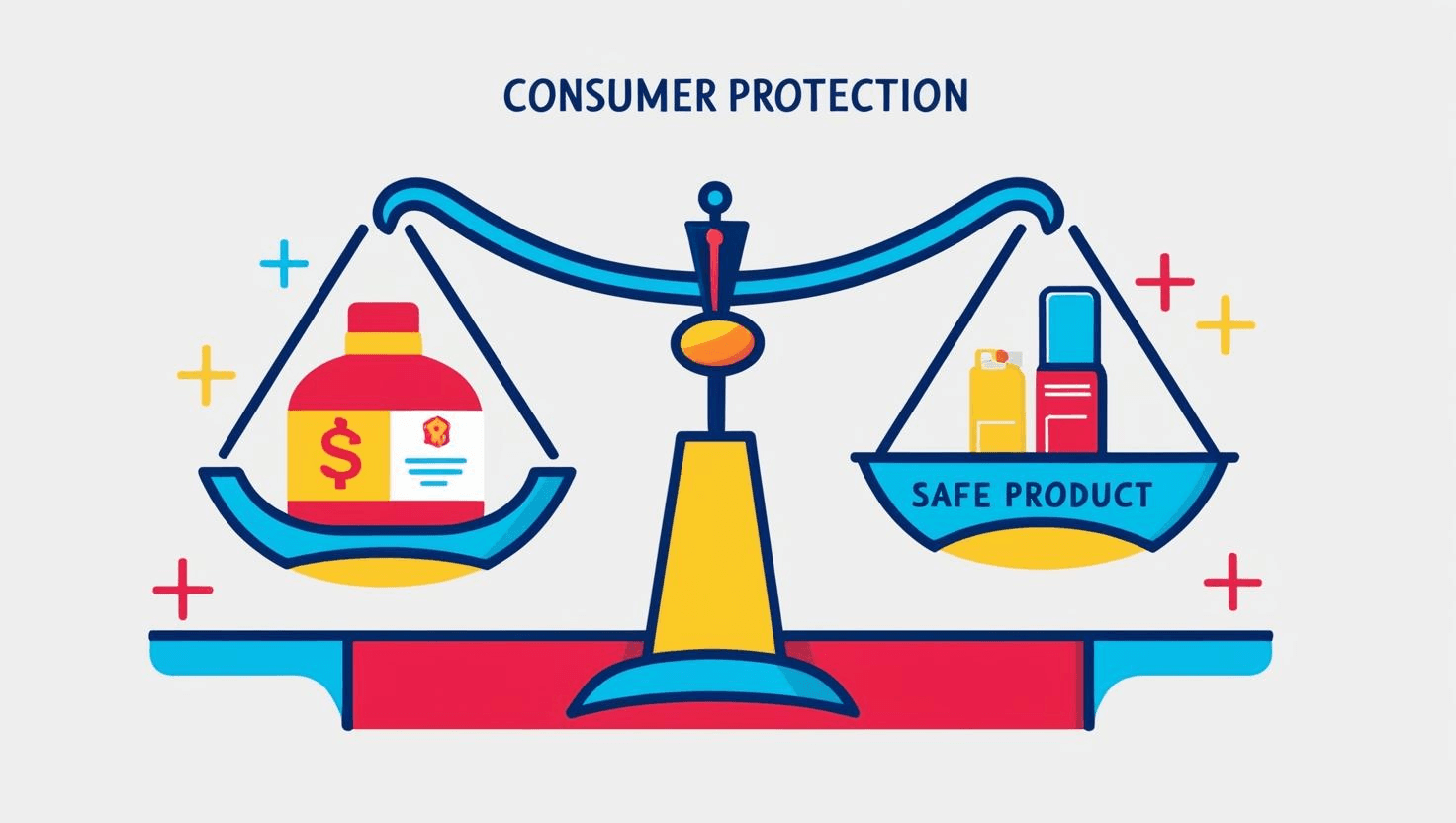
Consumer Protection in the UAE: Rights and Regulatory Framework
Consumer rights in the UAE are protected under Federal Law No. 15 of 2020, which establishes robust mechanisms for safeguarding consumers against fraud, unfair practices, and defective products or services. This law applies across all emirates, covering both mainland and free zones, and includes specific provisions for eCommerce transactions registered within the UAE.
Key Consumer Rights
Under Article 4 of the law, consumers have the right:
To a safe purchasing environment.
To correct information about goods and services.
To fair compensation for damages due to defective products or inadequate services.
Regulatory Oversight
The UAE’s Ministry of Economy plays a vital role in enforcing the law. The Supreme Committee for Consumer Protection collaborates with other authorities to combat monopolistic practices, manage costs, and address consumer complaints.
Penalties and Compliance
Violations of key provisions, such as providing misleading information or failing to fulfill warranties, can result in fines ranging from AED 10,000 to AED 2 million and imprisonment of up to two years. Suppliers are also obligated to ensure warranties and recalls align with regulatory standards.
Conclusion
The Consumer Protection Law in the UAE provides a strong framework to ensure consumer trust and market transparency, making it essential for businesses to comply with all regulations. Businesses operating within the UAE must adhere to these regulations to maintain consumer trust and avoid significant penalties. Consumers are encouraged to be aware of their rights and report any violations to the appropriate authorities
Read more articles

UAE Pillar Two Information Return 2026: New Filing Requirements for Multinational Businesses
The UAE has issued Ministerial Decision No. 133 of 2026 setting out who must file the Pillar Two Information Return. Learn who is covered, what the rules require and when they apply.
01 October, 2026

UAE Small Business Relief Extended to 2029: What UAE Businesses Need to Know
UAE Small Business Relief has been extended to 31 December 2029. Learn who qualifies, the AED 3 million revenue threshold, exclusions, tax filing requirements and what businesses should do.
28 September, 2026

UAE eInvoicing 2026: AED 50 Million+ Businesses Must Appoint ASP by 30 October
UAE eInvoicing rules explained: learn who must appoint an Accredited Service Provider by 30 October 2026, key deadlines, legal requirements, penalties and what businesses need to do before 1 January 2027.
24 September, 2026