
Environmental Protection is a major concern in the UAE and to combat this issue the UAE has 32 legislations which are laws, executive regulations, and regulatory resolutions on matters related to environment and natural resources across the UAE.
Dec 27, 2024
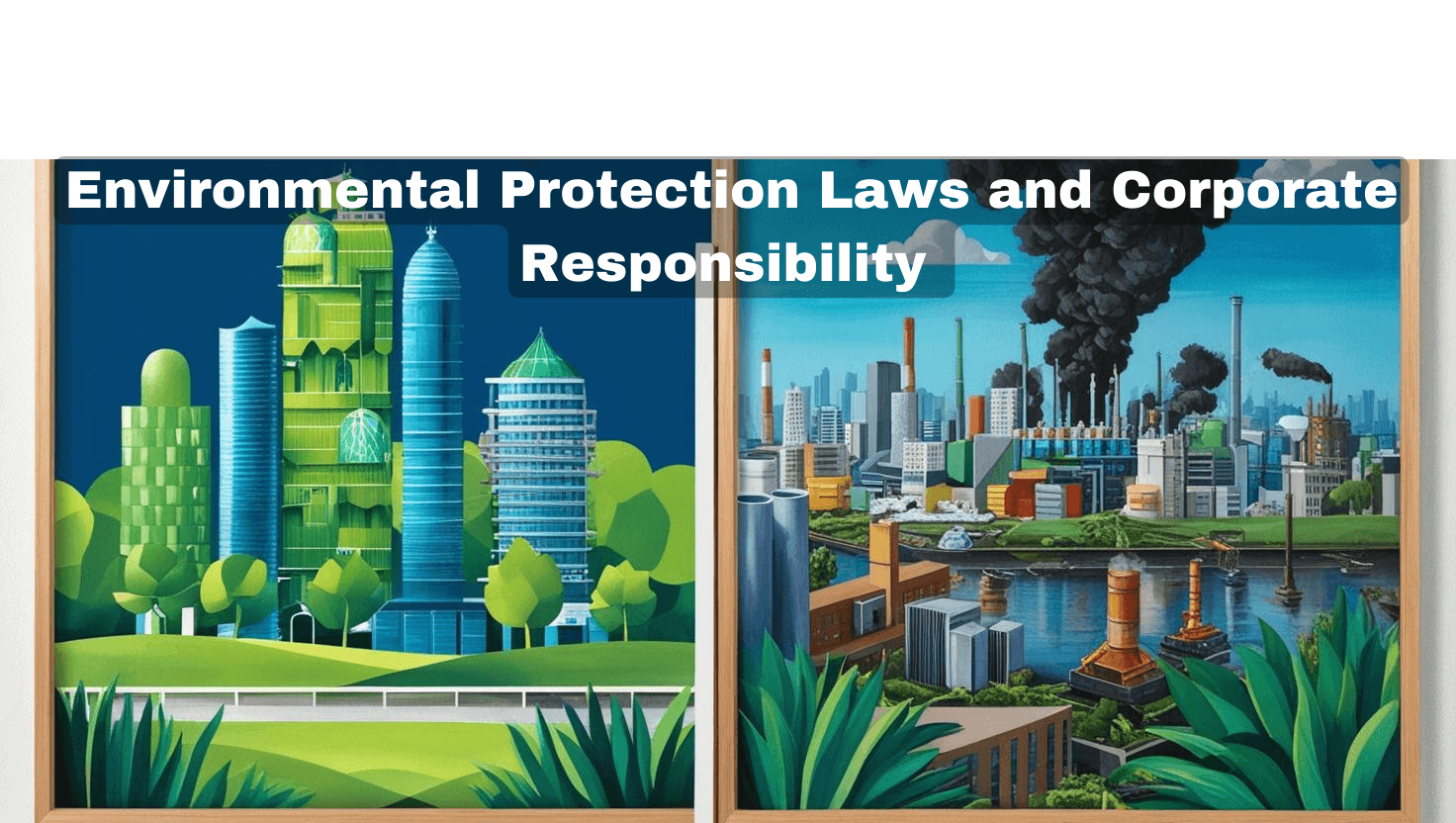
Environmental Protection Laws and Corporate Responsibility in the UAE
Environmental protection is a cornerstone of the UAE's sustainable development agenda, supported by 32 laws and regulations addressing various environmental and natural resource concerns. These include waste management, climate change mitigation, marine life preservation, and food security enhancement. The UAE’s regulatory framework emphasizes corporate responsibility, requiring businesses to adopt sustainable practices and reduce their environmental footprint.
Key Legislations
Federal Law No. (12) of 2018 on Integrated Waste Management
Regulates waste management processes, including production, segregation, recycling, and disposal.
Prohibits littering, burning, or burying waste in non-designated areas and mandates industrial entities to manage waste through reuse or recycling.
Penalties for environmental damage range from AED 20,000 to AED 1 million.
Federal Cabinet Resolution No. (39) of 2021
Establishes executive regulations for waste management, outlining responsibilities for waste producers and suppliers, landfill requirements, and administrative penalties.
Federal Law No. (24) of 1999 on Environmental Protection
Requires licensed establishments to monitor and report waste discharge and pollutant levels.
Prohibits the release of untreated waste into water bodies and ensures air pollutants do not exceed permissible limits.
Mandates adequate ventilation and protective measures for workers in establishments handling hazardous materials.
Corporate Responsibility and Best Practices
Businesses play a critical role in achieving the UAE's sustainability goals, which include generating 24% of energy from clean sources by 2030. Key practices include:
Implementing waste reduction and recycling programs.
Investing in energy-efficient technologies and renewable energy sources.
Developing sustainable supply chain management practices.
Engaging employees in environmental awareness initiatives.
Regularly assessing and reporting on environmental performance.
Recognition for Corporate Efforts
The UAE encourages corporate contributions to sustainability through awards and platforms, such as:
Emirates Energy Efficiency Award: Recognizing excellence in energy efficiency and sustainability.
Dubai Chamber Sustainability Award: Honoring businesses demonstrating environmental stewardship.
Abu Dhabi Sustainability Week: A platform for showcasing sustainability initiatives.
Conclusion
The UAE’s comprehensive environmental laws and emphasis on corporate responsibility create a framework for businesses to contribute to a greener future. By adopting sustainable practices, companies can align with national goals, enhance their reputation, and support the UAE's vision for sustainable development.
Read more articles

UAE Pillar Two Information Return 2026: New Filing Requirements for Multinational Businesses
The UAE has issued Ministerial Decision No. 133 of 2026 setting out who must file the Pillar Two Information Return. Learn who is covered, what the rules require and when they apply.
01 October, 2026

UAE Small Business Relief Extended to 2029: What UAE Businesses Need to Know
UAE Small Business Relief has been extended to 31 December 2029. Learn who qualifies, the AED 3 million revenue threshold, exclusions, tax filing requirements and what businesses should do.
28 September, 2026

UAE eInvoicing 2026: AED 50 Million+ Businesses Must Appoint ASP by 30 October
UAE eInvoicing rules explained: learn who must appoint an Accredited Service Provider by 30 October 2026, key deadlines, legal requirements, penalties and what businesses need to do before 1 January 2027.
24 September, 2026